
When you live in Broward County, year-round summer comes with year-round allergy season. Itchy, watery eyes are commonplace for those who suffer from pollen allergies. And, most patients experiencing allergy symptoms exacerbate them by rubbing their eyes. Luckily, you can see clearly and comfortably all year long with the help of an eye doctor in Pembroke Pines.
When is Allergy Season in South Florida?
Allergy season in South Florida is nearly year-round. In the Spring, tree pollen kicks up, while in the Fall, grass pollen takes over.
Allergens thrive in heat and humidity. So, the entire state experiences consistently elevated pollen levels with minor relief in cooler months. Those who suffer from allergies should expect to treat them long-term.
Why Does Pollen Cause Allergic Reactions?
When we come in contact with an allergen, like grains of pollen, our immune system views it as an unwanted intruder. To fight it off, the body releases a chemical called histamine. What we call an allergic reaction is actually a histamine response.
Histamine responses cause blood vessels to swell and leak. This is why you may end up with watery eyes when you experience allergies. Your body is simply trying to keep you safe.
Common Allergens in South Florida
Aside from mold, dust mites, and other general allergens, South Florida is home to a vast ecosystem of pollinators. Throughout the year, these native species produce pollen that can irritate the body, including the eyes. Common types of pollen include:
Tree Pollen
Oak, cypress, pine, and other trees native to Florida carry pollen that can worsen allergies. These trees are not insect-pollinated, which means gusts of wind carry their pollen for greater distances.
Grass Pollen
Bermuda grass is a dense grass that fares well in high-traffic areas. This makes it a popular choice throughout South Florida residential areas, parks, and other public spaces. Johnson grass and Timothy grass are also leading pollen producers.
Weed Pollen
Ragweed is a type of weed in the daisy family and is a common pollinator in South Florida. Because its pollen is lightweight, it can release billions of grains of pollen in a single gust of wind. Florida is host to several other native species of weeds that behave similarly.
Symptoms of Seasonal Allergies
Seasonal allergy symptoms can vary from person to person. Some of the most common symptoms are:
- Watery eyes
- Itchy eyes
- Red eyes
- Swollen or puffy eyes
- Light sensitivity
- Headaches
- Congestion
- Fatigue
Can Allergies Cause Pink Eye?
When discussing eye allergies, it’s important to discuss the differences between seasonal allergies and pink eye. Non-contagious pink eye, also known as allergic conjunctivitis, can occur in some cases.
This is not the viral type of pink eye that is highly contagious. Allergic conjunctivitis can include symptoms like swollen, watery eyes, but does not include discharge. It typically affects both eyes at the same time.
If your vision is compromised or you experience pain, see an eye doctor in Pembroke Pines. They can ensure it is not bacterial or viral pink eye.
How to Treat Seasonal Allergies
There are several quick solutions to treat seasonal eye allergies. Discuss these options with a healthcare provider to ensure safe use.
Use Over-the-Counter Medication
Antihistamines can be purchased over the counter. Typically taken orally or as a nasal spray, they offer quick relief by minimizing inflammation.
Use Eye Drops
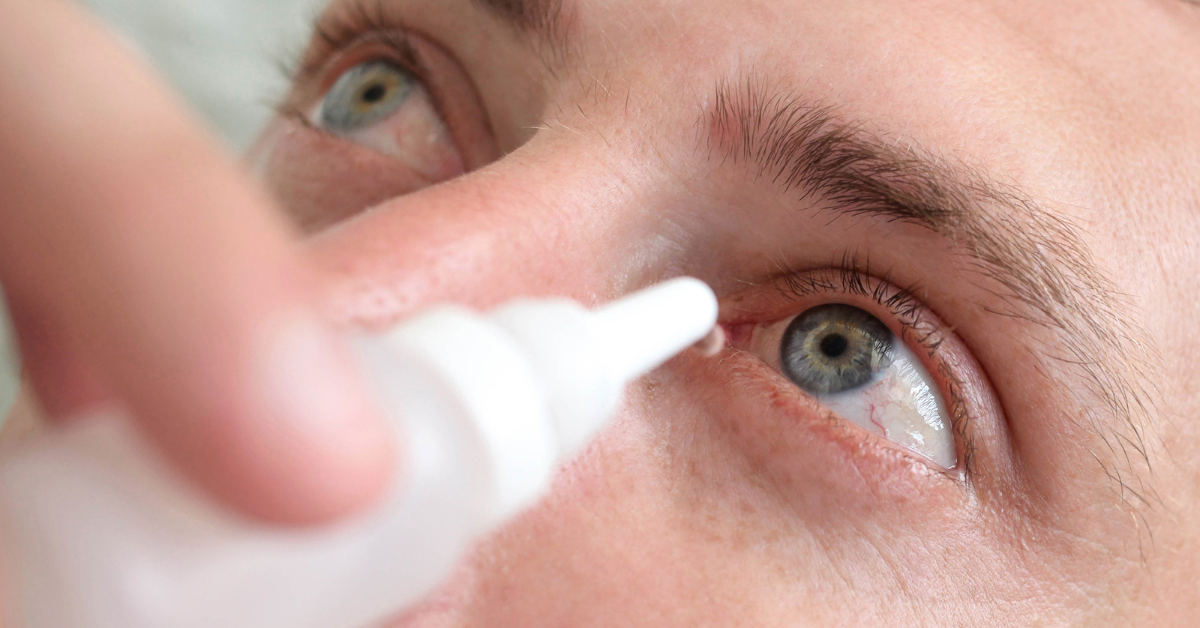
There are several antihistamine eye drops sold over the counter. These aim to reduce redness and swelling. However, some cases require a higher dosage, making prescription-strength eye drops necessary. Some prescription eye drops even contain steroids to help with inflammation.
Wear Eye Protection
Wearing eye protection can minimize exposure to airborne allergens. Even wearing sunglasses can help prevent allergens from reaching your eyes and reduce light sensitivity.
Stop Rubbing Your Eyes
You should not rub your eyes when they itch. Rubbing can cause damage by creating more irritation. It also introduces more allergens to your system from your hands. Placing a cold compress on your eyes can provide temporary relief.
If You’re Experiencing Eye Allergies, We’re Here to Help
Our eye doctor in Pembroke Pines can help you find relief during allergy season. Whether you need prescription eye relief or want to explore eye protection, our team offers comprehensive eye care. We conduct thorough exams with a consultative approach to hear all of your concerns. Additionally, we stock an array of frames to fit any style.