You should see your eye doctor in Pembroke Pines at least once a year to maintain clear vision and keep up with your overall eye health. From a comprehensive eye test to getting fitted with the best frames and lenses, regular check ups ensure that changes in your vision are monitored and early intervention is possible.
The Importance of Annual Eye Exams
Your eyes play a key role in your overall health. When your vision isn’t clear, or your eyes feel uncomfortable, it can change how you experience everyday life. Poor eyesight doesn’t just mean squinting and blurry vision, but can be indicative of greater health issues. That’s why early intervention is essential in eye care.
When you see an eye doctor at least once a year, we take special imaging and conduct a thorough vision test. The information collected helps us understand where your eye health stands, treat it quickly, and prevent any worsening conditions.
If you require a prescription, we use this annual visit to measure the prescription you need. We’re then able to monitor how your prescription changes from year to year. While changes in prescription can be normal, especially as you age, it’s important to assess anything out of the ordinary.
Getting this insight every year helps us make educated decisions about your treatment plan. Plus, having an accurate prescription offers clear vision, improved focus, reduced eye strain, and support for comfortable daily activities.
Finally, annual eye exams let us monitor existing health concerns, like changes in eye shape, pressure, vision clarity, and more. These metrics need to be kept up with so problems don’t progress, making them harder to treat. This is especially important if your family has a medical history of glaucoma, heart disease, high blood pressure, high cholesterol, or diabetes. Should you have medical eye concerns, more frequent visits may be recommended.
What Happens During an Annual Eye Test?
During an annual eye test, we’ll evaluate your eye health and vision. First, we’ll discuss your lifestyle and self-assessment of your vision. We’ll cover questions including:
- Have there been any changes in your vision?
- Have you been experiencing any discomfort?
- Have you experienced any lifestyle changes?
- Do you take any prescription medications?
Questions like these help us treat you holistically and gain a full understanding of lifestyle factors that may contribute to your eye health.
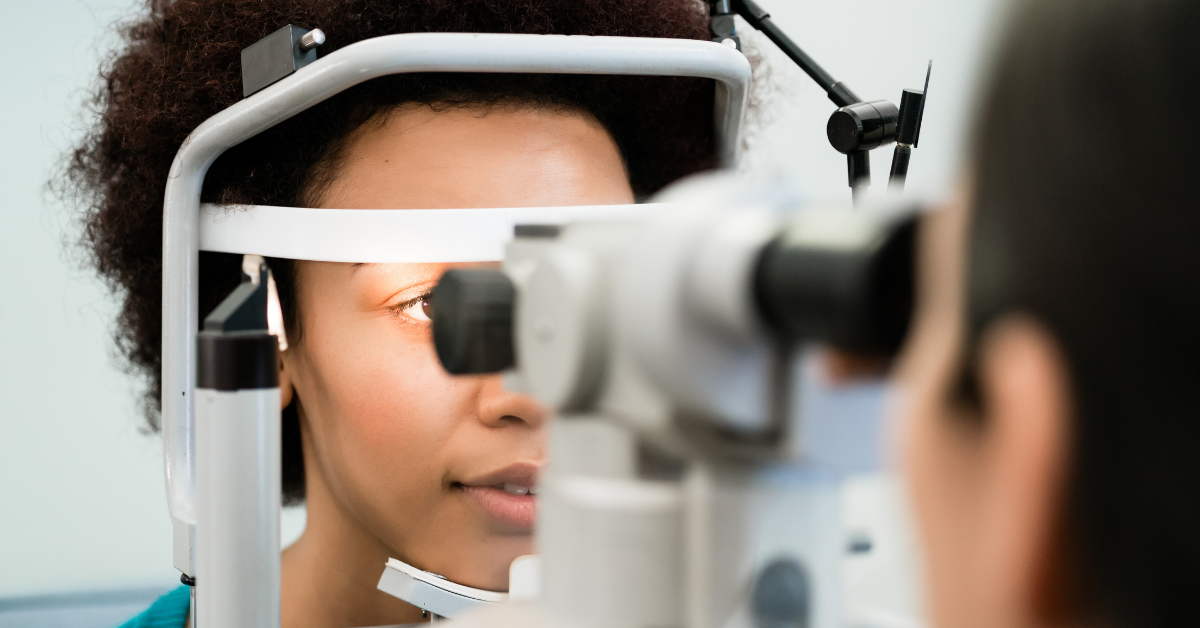
Next, we’ll get your prescription using specialized technology. We’ll have you read a series of letters and numbers on a distant screen while our optometrist tries different prescription strengths. During the evaluation, you’ll have an open dialogue with your doctor to ensure the letters and numbers are becoming clearer until we’ve reached your optimal prescription.
Finally, we’ll assess your eye health. Through dilation and a series of additional testing, we’ll examine your eye shape, pressure, and light reception. We compare this information to past exam results and provide guidance on any additional care necessary to achieve or maintain ideal eye health. If you are uncomfortable with dilation, talk to us about digital dilation and the importance of this step to ensure you can make an informed decision.
An eye exam for glasses will take anywhere from 30 minutes to an hour, depending on the complexity of your needs. If you select to have manual dilation, be prepared for your vision to be impaired for a few hours after your exam.
What Diseases Can Be Detected in an Eye Test
The eyes can tell a lot about your health. During a routine eye exam, we’ll look for a series of eye-specific conditions, including but not limited to:
Glaucoma
Glaucoma is an eye condition where increased pressure damages the optic nerve. The optic nerve is responsible for sending information from your eyes to the brain. If left untreated, glaucoma can lead to blindness.
Cataracts
Cataracts are a clouding of the eye’s natural lens. It can result in blurriness, dull colors, double vision, poor night vision, and more. Cataracts are most commonly caused by aging, but certain medications and conditions, like diabetes, can heighten the risk of developing cataracts.
Macular Degeneration
Macular degeneration is another age-related condition that results in worsening vision over time. Both wet and dry macular degeneration eventually lead to the loss of central vision. This makes reading, driving, and reading faces difficult while peripheral vision remains intact.
Diabetic Retinopathy
With time, high blood sugar can cause blood vessels in the eye to leak or grow abnormally. This condition is known as diabetic retinopathy. While there are typically no early symptoms, blurred vision and floaters are both indicators of the condition.
Dry Eye
If you’re experiencing irritation, burning, stinging, or scratchy feelings in your eyes, you may have dry eyes. This is not something that happens occasionally. Dry eye is a chronic condition that can lead to great damage if not treated properly.
Are Eye Exams for Glasses and Contacts Different?
Yes, an eye test and contact lens test will vary. On top of getting your accurate prescription, we must evaluate if you are a good candidate for contacts. This comes down to eye health, lifestyle, and your ability to safely wear contact lenses.
There will also be additional time taken for contact lens fitting and care education. You can expect a contact lens exam to take slightly longer than an eye exam for glasses.
Are Contact Prescriptions the Same as Glasses?
No, contact prescriptions are not the same as glasses. Contact lenses sit directly on your eye, so the prescription contains information about the shape and size of your eye that a glasses prescription does not. If you intend on purchasing both contacts and glasses, simply ask your eye doctor to provide both.
Ready to See Our Eye Doctor in Pembroke Pines?
Most major insurance providers cover annual exams and a portion of frames, lenses, or contacts. If you are ready to schedule an appointment at our eye doctor’s office in South Florida, we’re happy to help you understand your vision insurance benefits or discuss other payment options. Request an appointment today.
