At 2020 Advanced Eye Care, we believe healthy vision starts early. Children rely on their eyesight to learn, play, and explore the world around them, and regular pediatric eye exams are essential for supporting their development. Our team provides gentle, comprehensive care tailored to your child’s age and needs, helping them feel comfortable and confident during every visit.
Whether you have concerns about your child’s vision or it is simply time for their routine exam, we are here to support your child’s eye health at every stage of growth.
Children’s eyes change quickly as they grow, and many vision problems can go unnoticed without a professional exam. Early diagnosis can make a significant difference in treating conditions before they interfere with learning or long-term eye health.
During your child’s visit, we evaluate for common pediatric eye conditions such as:
We use age-appropriate testing and advanced diagnostic tools to assess how well your child sees, how their eyes work together, and whether corrective lenses or treatment may be recommended. Our goal is to detect issues early and provide clear guidance to support healthy vision at home and at school.
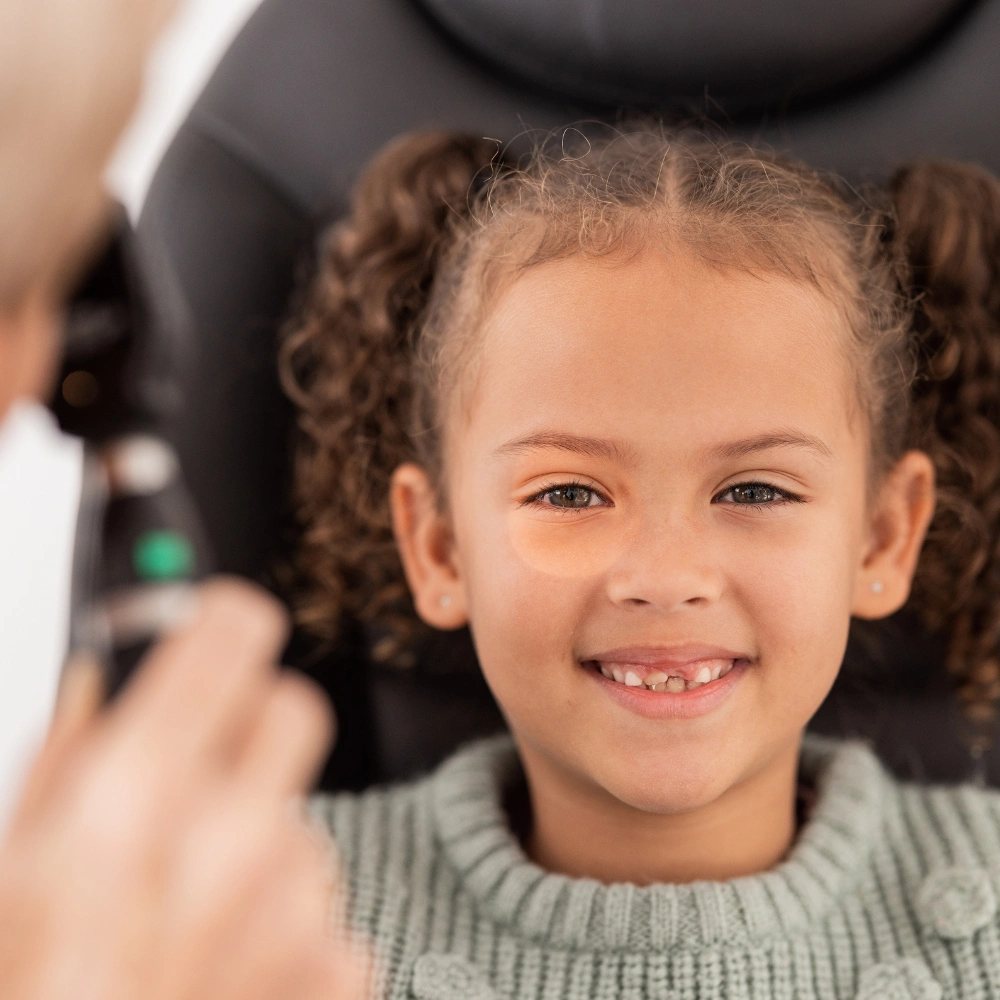
A pediatric vision exam is different from a standard adult eye exam. Children may not always recognize or communicate when something is wrong, so our testing is designed to be engaging, easy to follow, and appropriate for their age.
During your child’s visit, we assess:
We also take time to discuss any symptoms you have noticed, learning challenges, or behaviors such as squinting, holding devices close, or avoiding reading. These details help us identify vision problems that may affect school performance or daily activities.
Most importantly, we make the experience positive, helping your child feel relaxed while gathering the information needed to support their vision.
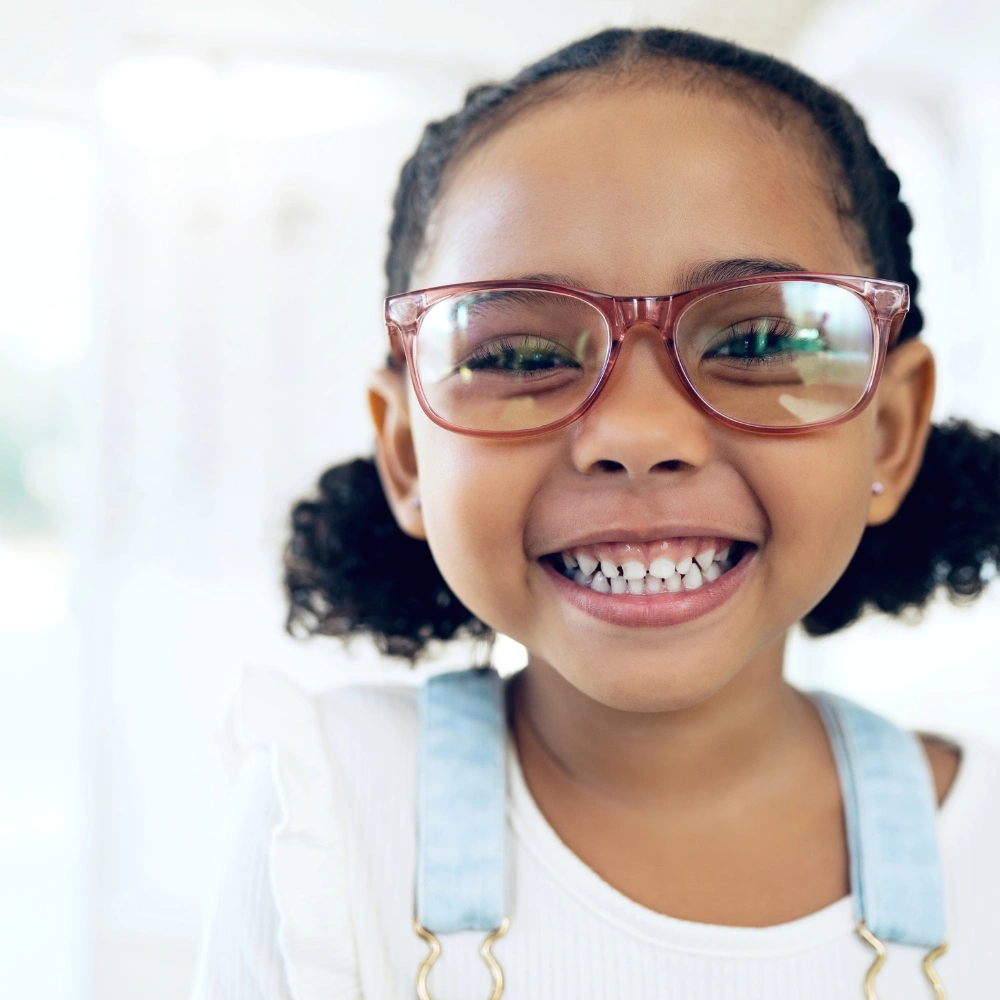
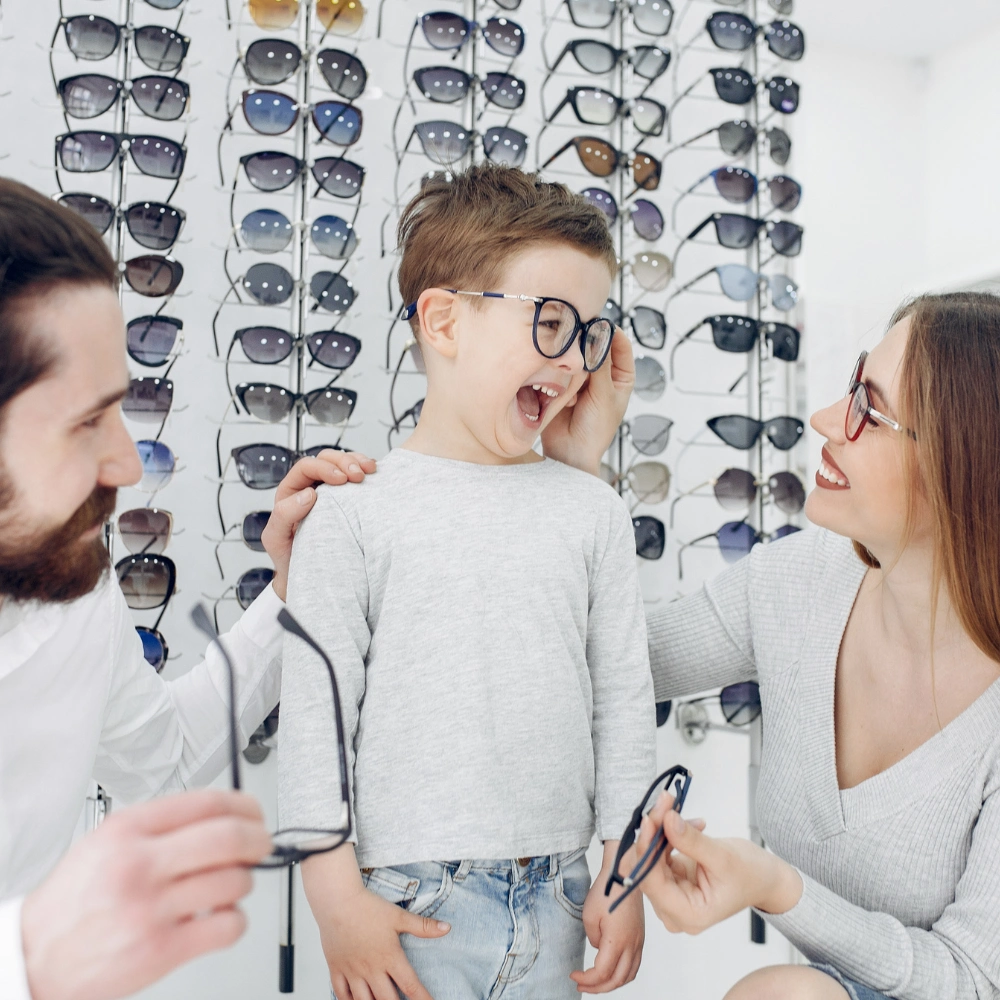
If your child needs glasses, we guide you through the options that best match their prescription, comfort, and lifestyle. Pediatric eyewear needs to be durable, safe, and comfortable for everyday activities. This is why we offer:
Our team helps your child try on frames and checks that they fit well behind the ears and across the bridge of the nose. We want them to leave with glasses that help them see clearly and feel confident. We also provide adjustments, repairs, and ongoing support to keep their glasses fitting properly as they grow.
Vision plays an important role in learning, coordination, and confidence. Many childhood eye conditions can be successfully treated when detected early, so routine exams are one of the most valuable steps you can take to protect your child’s long-term eye health.
At 2020 Advanced Eye Care, we are here to make every step of the process simple and supportive for you and your child.
Most children should have their first comprehensive eye exam between 6 and 12 months of age, then again around age 3, and once more before starting school. After that, yearly exams help monitor healthy vision as they grow.
Common signs include squinting, holding books very close, sitting too close to screens, frequent blinking or eye rubbing, covering one eye, headaches, trouble focusing in school, or avoiding reading. If you notice these behaviors, it may be time for an exam.
Yes. Pediatric exams use age-appropriate tests and techniques to evaluate how well children see, how their eyes work together, and whether they are meeting developmental vision milestones. The process is designed to be simple, engaging, and comfortable.
We can identify issues such as amblyopia, strabismus, focusing and tracking problems, refractive errors, color vision deficiencies, and early signs of eye disease. Early diagnosis often leads to successful treatment.
In many cases, dilation is recommended because it allows for a more complete view of the internal structures of the eye. Your provider will let you know if dilation is appropriate based on your child’s age and symptoms.
We tailor the exam to your child’s comfort level. Visits may include picture-based charts, playful focus tests, and simple tracking exercises. We also discuss any symptoms you have noticed at home or school to help identify vision concerns.
If we find that your child has trouble seeing clearly at certain distances or has difficulty focusing, glasses may be recommended. We explain the prescription clearly and help you choose eyewear that fits well and suits their daily activities.
Children benefit from lightweight, impact-resistant lenses and durable frames that can withstand active play. Flexible materials, correct fit, and optional blue-light protection can help support comfort and long-term eye health.
Yes. Many learning difficulties can be linked to undiagnosed vision issues. Clear vision plays a key role in reading, writing, depth perception, and attention. Regular exams help ensure your child has the visual skills needed for success in school.
Most children should be seen once a year. Children with known vision issues or rapidly changing prescriptions may benefit from more frequent monitoring.
Our team specializes in making visits relaxed and positive. We explain each step in simple terms, take breaks when needed, and move at a pace that helps your child feel comfortable and supported.